Top 10 Best Forex Traders in the World (2026): Most Successful Currency Traders in History
Who shaped the global currency market, which achievements made them famous, and what can today’s traders learn from their careers?
Searching for the best forex traders in the world often produces dramatic stories about billion-dollar trades. Those stories are interesting, but they do not tell the whole story. A single winning position cannot establish a lifetime of skill. A more useful question is how experienced market participants interpreted changing conditions, dealt with uncertainty and built careers that other traders still study.
In this Forex Wave Expert guide, we examine ten influential figures from the history of currency and global macro trading. The selection considers documented currency-market involvement, historical influence, professional reputation and educational value. The numbering organizes the article; it is not a scientific performance ranking.
Explore sections 16 topics
The 10 Most Successful Forex Traders
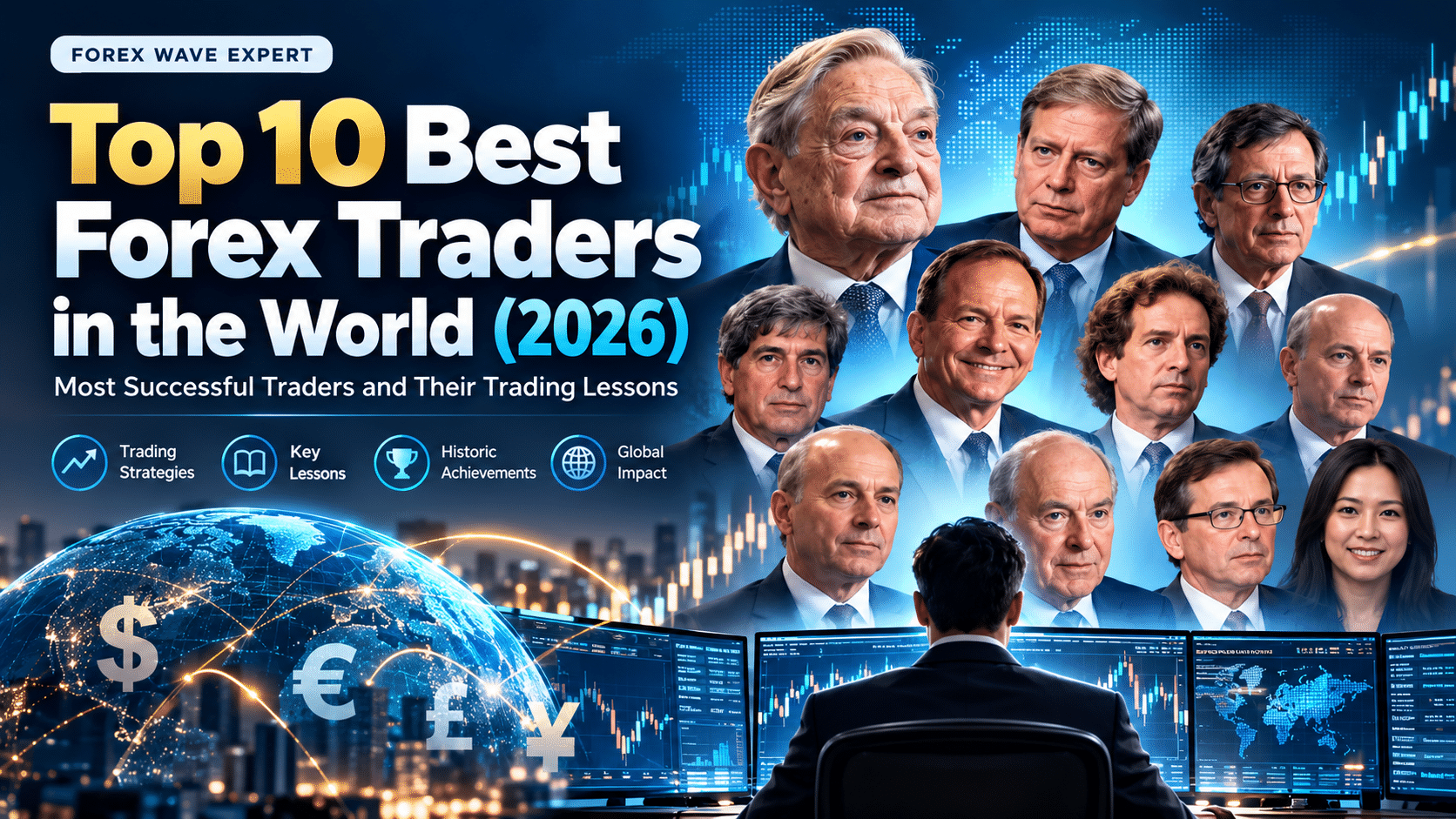
Explore ten influential figures in currency trading and global macro markets. These illustrations are artistic representations, not verified photographs.
 George SorosGlobal macro & currencies2
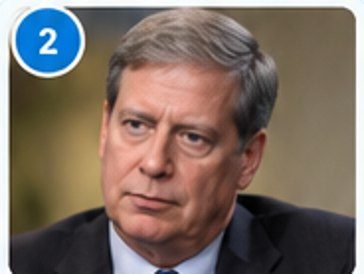 Stanley DruckenmillerGlobal macro investor3
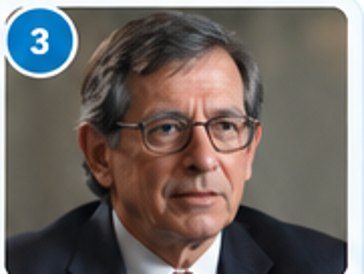 Bill LipschutzInstitutional FX specialist4
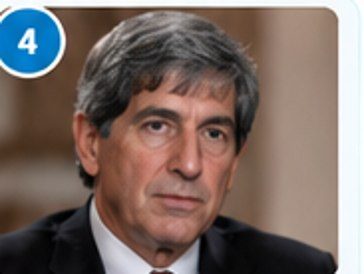 Bruce KovnerCaxton Associates founder5
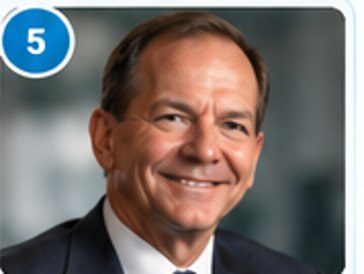 Andrew Krieger1987 NZD currency trade6
 Paul Tudor JonesMacro and futures trader7
 Michael MarcusCommodities & currencies8
 John R. Taylor Jr.FX Concepts founder9
 Joe LewisCurrency speculator10
 Kathy LienForex analyst & educator
Image note: The trader portraits shown here are AI-generated artistic illustrations, not authentic photographs of the named individuals.
How We Selected the Most Successful Forex Traders
There is no official global leaderboard of forex traders. Private hedge funds do not publish comparable trade-by-trade records, and public estimates of profits and wealth are often inconsistent. Our list therefore gives weight to four factors: historical currency-market involvement, career influence, evidence available in interviews or financial reporting, and lessons that remain useful today.
Importantly, a currency specialist, a global macro fund manager, and a forex educator are not identical professions. We identify those distinctions instead of presenting every person as a full-time retail spot-forex trader.
Top 10 Forex Traders: Quick Comparison
| Name | Primary area | Known for | Key lesson |
|---|---|---|---|
| George Soros | Global macro / currencies | 1992 sterling crisis | Question prevailing market assumptions |
| Stanley Druckenmiller | Global macro | Quantum Fund; Duquesne | Balance conviction with flexibility |
| Bill Lipschutz | Institutional FX | Salomon Brothers currency desk | Understand position risk |
| Bruce Kovner | Multi-asset global macro | Founding Caxton Associates | Know when a thesis is invalid |
| Andrew Krieger | Institutional currency trading | 1987 New Zealand dollar trade | Understand macro imbalances |
| Paul Tudor Jones | Macro / futures | Market turning points and risk focus | Capital preservation matters |
| Michael Marcus | Commodities / currencies | Career at Commodities Corporation | Learn from errors |
| John R. Taylor Jr. | Currency management | FX Concepts | Consistency of process |
| Joe Lewis | Currency speculation / investing | Large macro currency positions | Separate reputation from verified returns |
| Kathy Lien | FX analysis / education | Currency commentary and books | Understand economic catalysts |
George Soros: The Man Associated with Black Wednesday
George Soros is perhaps the most recognizable name in currency-market history. He became famous for his role in the 1992 British pound crisis, when pressure on sterling forced the United Kingdom to leave the European Exchange Rate Mechanism. The Quantum Fund’s short-sterling position is widely reported to have produced a profit of roughly $1 billion, although public accounts differ on the details and attribution.
Soros is also associated with the theory of reflexivity: market prices and investor beliefs can influence one another, sometimes pushing prices away from sustainable levels. The 1992 trade was not simply a chart pattern. It reflected a view about the limits of monetary policy and the exchange-rate arrangement.
Lesson: Understand the economic assumptions supporting a currency’s price. Even a persuasive thesis can be wrong, so risk remains essential.
Stanley Druckenmiller: A Long Career in Global Macro
Stanley Druckenmiller founded Duquesne Capital Management in 1981 and later worked with Soros at the Quantum Fund. His role in identifying and managing the 1992 sterling opportunity is an important part of the story. Druckenmiller’s career extended well beyond foreign exchange into equities, bonds and other macro markets.
His reputation rests not only on one event but on decades of investment management. He is frequently discussed for his ability to adjust positions as economic conditions change.
Lesson: A strong view should not become an unchangeable belief. Reassess the evidence when market conditions shift.
Bill Lipschutz: The Institutional Forex Specialist
Bill Lipschutz developed his reputation trading currencies at Salomon Brothers in the 1980s. Unlike several people on this list who moved among many markets, Lipschutz is particularly associated with professional foreign-exchange trading and FX options.
Accounts of his career emphasize market sentiment, deep understanding of currency flows and the psychological challenges of managing large positions. Widely repeated profit figures should be treated as historical reports rather than independently audited personal returns.
Lesson: Currency trading is not only about predicting direction. Position size, liquidity, changing sentiment and downside exposure can determine the outcome.
Bruce Kovner: The Founder of Caxton Associates
Bruce Kovner founded Caxton Associates and became a prominent figure in global macro trading. His work involved currencies as well as other major markets. Kovner’s interviews in trading literature are frequently cited for their discussion of preparation, independent thinking and risk control.
A macro position can be supported by economic analysis and still fail because of unexpected policy decisions or market reactions. That uncertainty is part of the profession.
Lesson: Identify what would disprove a market thesis before becoming attached to it.
Andrew Krieger: The New Zealand Dollar Trade of 1987
Andrew Krieger is remembered for taking a major bearish position in the New Zealand dollar while working at Bankers Trust following the 1987 stock-market crash. The position became one of the most frequently retold stories in institutional currency trading.
Popular accounts cite extraordinary position sizes and profits, but precise figures are not consistently documented across sources. What matters historically is the example of a currency trade built around perceived overvaluation and an unusual global market environment.
Lesson: Major currency moves can emerge when market positioning, valuation and broader financial stress interact. Large institutional trades are not a template for retail leverage.
Paul Tudor Jones: Macro Trading and Risk Awareness
Paul Tudor Jones founded Tudor Investment Corporation and is best known as a macro and futures trader. His reputation includes anticipating major market turning points, particularly around the 1987 equity-market crash. He should not be described as an exclusively forex trader.
His inclusion reflects the influence of macro traders whose work spans interest rates, currencies, commodities and equity markets. These markets are connected through policy, economic expectations and global capital flows.
Lesson: Being correct about a market is less useful if a position cannot withstand volatility along the way.
Michael Marcus: A Trading Career Built Through Experience
Michael Marcus is known for his work at Commodities Corporation and for interviews documenting his development as a professional trader. His career covered commodity markets and currencies, rather than spot forex alone.
Marcus’s story is useful because it includes the process of learning, changing methods and dealing with mistakes. Retrospective accounts sometimes present large performance figures without the context needed for fair comparison with other traders.
Lesson: Skill develops through a repeatable process, careful review and a willingness to acknowledge mistakes.
John R. Taylor Jr.: A Pioneer in Professional Currency Management
John R. Taylor Jr. founded FX Concepts, a prominent currency-management firm. He is an important name in the development of institutional foreign-exchange management, particularly approaches that used structured analysis and systematic processes.
FX Concepts’ history also illustrates an important distinction: an influential firm or methodology does not guarantee lasting commercial success. Currency markets change, and a strategy can face difficult periods.
Lesson: A documented process makes decisions easier to evaluate, but no model works in every market regime.
Joe Lewis: A Well-Known Currency Speculator
British investor Joe Lewis is often mentioned in accounts of large currency positions and the 1992 sterling crisis. His wider career includes substantial business and investment interests, making it misleading to judge his overall wealth as if it came entirely from forex trading.
Published claims about the exact profit from individual currency positions vary. Without independently comparable account statements, such claims should not be treated as a verified ranking of trading ability.
Lesson: Separate a trader’s public reputation, estimated wealth and demonstrable currency-market performance.
Kathy Lien: An Influential Forex Analyst and Educator
Kathy Lien is widely known for foreign-exchange market analysis, financial commentary and books explaining currency trading. Her work has helped readers understand how economic announcements, central-bank expectations and interest-rate differences can influence exchange rates.
Her place on this list reflects influence and education, not a publicly audited performance record comparable with those of institutional fund managers. That distinction matters when discussing the phrase “most successful.”
Lesson: Learn the economic context behind a currency pair instead of relying only on headlines or chart indicators.
What Can Traders Learn from These Historical Careers?
The most important lesson is not that everyone should trade like a famous hedge-fund manager. Institutional traders have different resources, market access, mandates and risk limits. Their historical achievements cannot be copied simply by using the same currency pair or reading the same economic report.
- Evidence matters: distinguish documented achievements from widely repeated stories.
- Markets are connected: interest rates, economic policy, currencies and other assets can influence one another.
- Flexibility matters: a trading idea should be reconsidered when the evidence changes.
- Risk matters: a good forecast does not remove the possibility of loss.
- Process matters: a repeatable approach is more useful than chasing an isolated spectacular result.
FWE Perspective: Market Structure, Psychology and Discipline
At Forex Wave Expert, founder Rana Das focuses on Elliott Wave analysis, price action, market structure and trading psychology. These methods differ from the discretionary global macro frameworks associated with several traders in this article. They can nevertheless prompt similar questions: What is the current market context? What evidence supports an interpretation? What would invalidate it?
Readers who want to explore FWE’s educational approach can read Elliott Wave Guidelines: Insights from a Decade (Part 12) or review the Pro Trader Course V2 overview, which discusses price action, risk management and trading psychology. These are educational resources, not evidence that any method guarantees profitable trades.
Join Our Free Telegram Channel
Explore FWE market analysis, educational updates and free forex signals. Trading involves risk.
Learn Forex Trading with FWE
Explore Elliott Wave, price action, market structure and trading psychology.
Frequently Asked Questions
Who is the best forex trader in the world?
There is no official, universally accepted ranking. George Soros is among the most famous because of his association with the 1992 British pound trade. Other notable figures include Stanley Druckenmiller and Bill Lipschutz.
Who is the most successful forex trader of all time?
The answer depends on whether success means a famous individual trade, a long professional career, total wealth or a verified risk-adjusted track record. These measures are not directly comparable.
Are all ten people exclusively forex traders?
No. Several are global macro or multi-asset traders, while Kathy Lien is included for her influence as a forex analyst and educator. Their roles are clearly identified in the article.
Is this a ranking of the highest earners in 2026?
No. It is a historical editorial selection updated for 2026, not a real-time leaderboard or an audited ranking of individual trading profits.
Can beginners copy these traders’ strategies?
Historical examples can support learning, but professional strategies may involve risks, tools and resources unavailable to retail traders. No past success guarantees future returns.
Sources and Research Notes
- Bank of England historical materials on the 1992 sterling crisis and Black Wednesday.
- Published interviews with George Soros, Stanley Druckenmiller, Bill Lipschutz, Bruce Kovner, Paul Tudor Jones and Michael Marcus.
- Market Wizards and The New Market Wizards by Jack D. Schwager (interview-based historical background).
- Publicly available company histories and biographies relating to Caxton Associates, Duquesne Capital, Tudor Investment Corporation and FX Concepts.
- Kathy Lien’s published forex education and market commentary.
- Editorial note: historical claims can vary by source. This is not an audited ranking of net worth, annual returns or forex-only profit.